

Protecting Digital Privacy: How Anonymous Emails Work

In an era where digital footprints are constantly tracked, analyzed, and monetized, protecting personal data has become a critical necessity. One of the most effective tools for maintaining privacy online is the use of anonymous email services. But how do these platforms actually function, and what new solutions are emerging to guarantee total anonymity without contributing to the global spam problem?
How Anonymous Email Services Function
Standard email providers (like Gmail or Outlook) link accounts to personal data, phone numbers, and IP addresses. Every message sent contains hidden metadata (headers) that can reveal the sender’s location, device, and network.
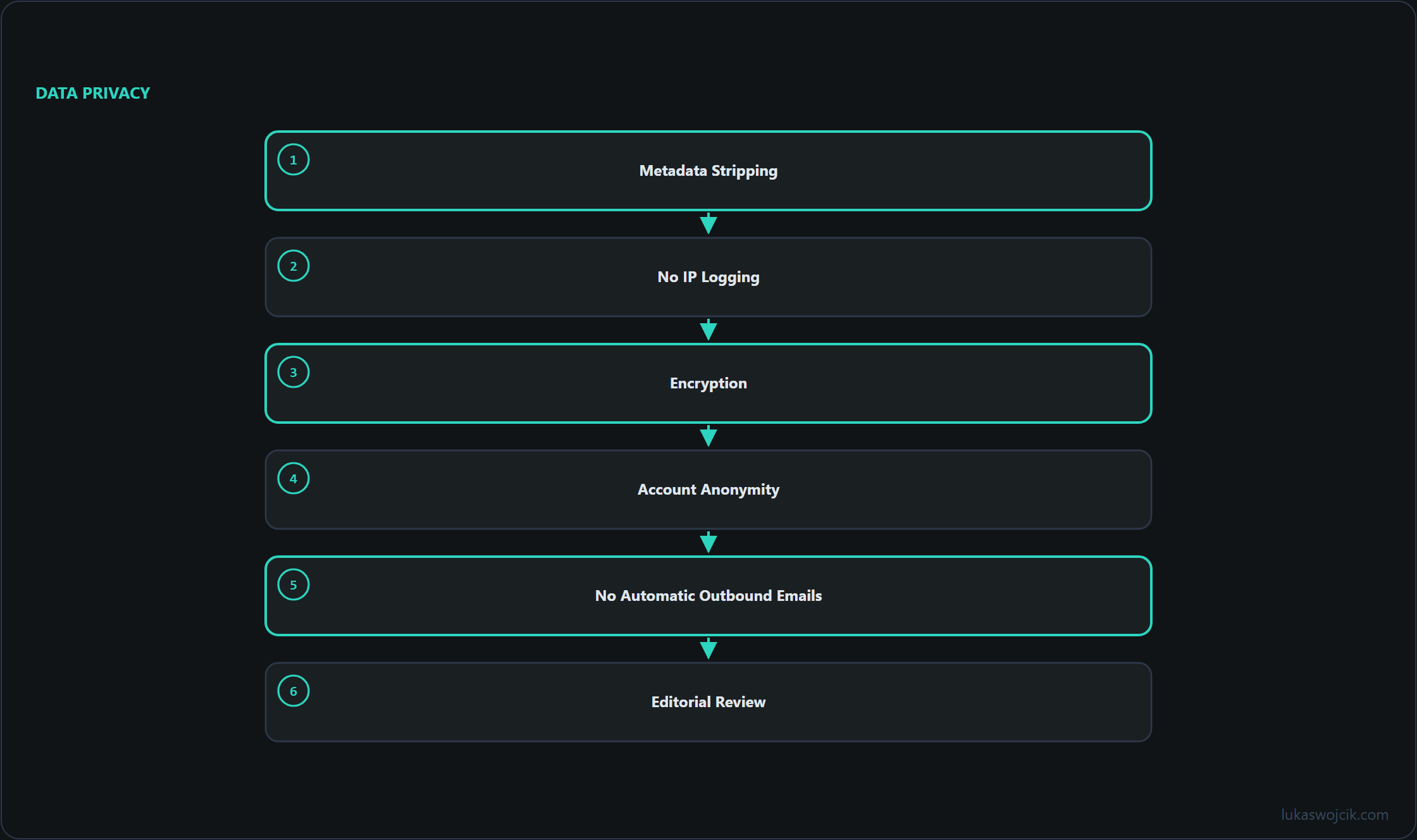
Anonymous email services operate by breaking this chain of identity:
- Metadata Stripping: They automatically remove identifiable header information before routing the message.
- No IP Logging: They do not record the user’s IP address upon connection.
- Encryption: The traffic between the user and the server is encrypted, preventing ISPs from intercepting the content.
- Account Anonymity: They usually do not require a phone number or secondary email for registration.
Introducing Getsend.xyz: The Next Generation of Anonymous Communication
While many temporary or anonymous email services exist, a new platform called getsend.xyz is redefining the landscape by offering a robust, two-way communication channel with unique features designed for power users.
1. Full Send and Receive Capabilities
Unlike disposable “burn” addresses that only receive messages, getsend.xyz allows users to both receive and send emails with complete anonymity. The recipient sees only the generic getsend.xyz domain, completely masking the original sender’s identity.
2. Seamless Email Forwarding
For users who want to stay anonymous but prefer the convenience of their primary inbox, getsend.xyz offers a powerful forwarding feature. Any email arriving at the getsend.xyz inbox can be automatically forwarded to a personal email address. This acts as a perfect shield—users can hand out their getsend.xyz alias to newsletters, online shops, or strangers, keeping their real email address completely hidden.
3. Strict Anti-Spam and Moderation System
The biggest issue with anonymous email platforms is that they are quickly abused by spammers, which leads to their IP addresses getting blacklisted globally. Getsend.xyz has implemented a radical and highly effective solution: manual moderation.
- No Automatic Outbound Emails: Anonymity does not mean lawlessness. To fight spam, no self-composed message can leave the getsend.xyz server automatically. The rule covers messages written in the service; the forwarding of incoming mail to a personal address is not affected by it.
- Editorial Review: Every outgoing message goes through a moderation queue. A human or strict editorial system reviews the outgoing queue to ensure no bulk spam, phishing, or malicious campaigns are being launched. This strict redaction guarantees that the getsend.xyz service maintains a stellar reputation, ensuring that legitimate anonymous emails always reach their intended destination without landing in the spam folder.
Sum-Up
Anonymous email services protect privacy by stripping metadata, avoiding IP logging, and encrypting traffic. Getsend.xyz distinguishes itself by offering a bidirectional service that allows both receiving and sending emails while maintaining anonymity. To combat the global spam problem, getsend.xyz utilizes a strict editorial review process, ensuring that no self-composed message is sent automatically, which protects the platform’s reputation and guarantees email deliverability.
Sources
Related articles



2 comments
The editorial review is an unusual answer to the spam problem and the reasoning behind it is convincing — an anonymous sender without control ends up on blocklists within days,and then nothing gets through at all.
What that leaves open for me is timing. Where does a moderated queue leave something time-critical, say a password reset that has to be answered within minutes?
Untouched, because the queue sits on one side only. Incoming mail arrives immediately, and forwarding to a personal address passes straight through — a password reset lands as fast as any other message.
What waits is a message composed inside the service. So the boundary runs between receiving and sending rather than between urgent and ordinary, and it is worth mapping a use case onto that line before adopting the alias.
Receiving is where this kind of address earns its keep: a shop, a newsletter, a forum registration, an address that can simply be abandoned when it starts attracting mail nobody wants. A conversation that needs an answer back within minutes is the case it does not serve, and no configuration changes that — the delay is the mechanism, not a limitation of it.